
When it comes to maintaining clean and efficient plumbing systems, the choice of cleaning agents plays a crucial role. Homeowners and professionals alike often debate the benefits and drawbacks of using natural substances like salt versus chemical cleaners. In this article, we’ll take an in-depth look at both options, focusing particularly on safety and effectiveness.

Salt as a Cleaning Agent
Salt has been used for centuries as a natural cleaning aid. It is readily available, inexpensive, and environmentally friendly. When used in plumbing systems, salt can help reduce buildup, soften water slightly, and assist in clearing minor clogs, especially when combined with hot water or vinegar. The abrasive nature of salt also helps to scrub away debris inside pipes.
One of the key advantages of using salt is its safety profile. Unlike harsh chemicals, salt is non-toxic, non-corrosive to most pipe materials, and poses minimal health risks to humans and pets. Additionally, salt-based cleaning methods typically do not produce harmful fumes or residues.
Chemical Cleaners
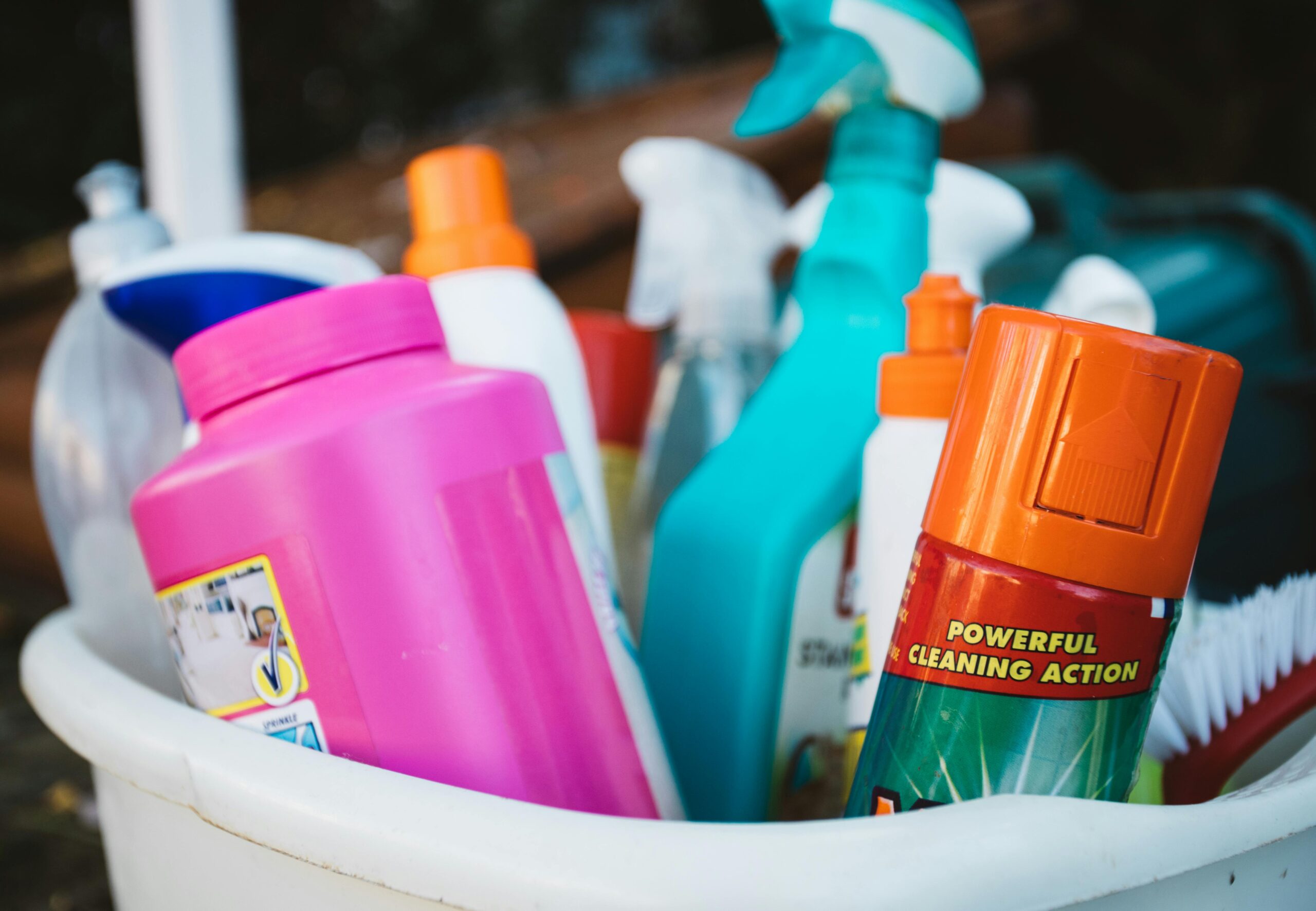
Chemical cleaners, on the other hand, are formulated to react aggressively with clogs and buildup. Common ingredients include sodium hydroxide, bleach, and various acids. These chemicals can quickly dissolve hair, grease, soap scum, and other common plumbing blockages.
While chemical cleaners are effective and fast-acting, they come with significant safety concerns. Many contain corrosive substances that can damage pipes, especially older plumbing made of metal or plastic. They can also release hazardous fumes that pose risks to respiratory health. Moreover, improper use or mixing of chemicals can lead to dangerous reactions.
Safety Considerations
When selecting a cleaner for your plumbing system, safety should be a priority. Salt generally offers a much safer alternative with fewer side effects. However, it may not be sufficient for tough blockages or severe buildup. Chemical cleaners require careful handling: wearing protective gloves, ensuring proper ventilation, and following all label instructions.
Effectiveness Comparison
In terms of effectiveness, chemical cleaners outperform salt for dissolving stubborn clogs rapidly. That said, their aggressive nature means they should be used sparingly to avoid long-term damage. Salt is better suited as a preventive or mild cleaning agent to maintain pipe health over time.
Conclusion
Choosing between salt and chemical cleaners ultimately depends on the specific plumbing issue and your priorities. For regular maintenance and eco-friendly cleaning, salt is an excellent option. For emergencies involving serious blockages, chemical cleaners may be necessary but should be used with caution.
Understanding the benefits and limitations of both allows you to make an informed, safe choice that keeps your plumbing system running smoothly.





I prefer using salt for my drains because it’s natural and I don’t have to worry about harsh chemicals harming my pipes or the environment.
Chemical cleaners worked much faster for me when I had a serious clog, but I was careful to use gloves and ventilate the area.
Great comparison! I didn’t realize salt could be effective for minor plumbing cleaning.
I think a combination approach works best depending on the severity of the clog. Prevention with salt and stronger chemical use only when necessary.