
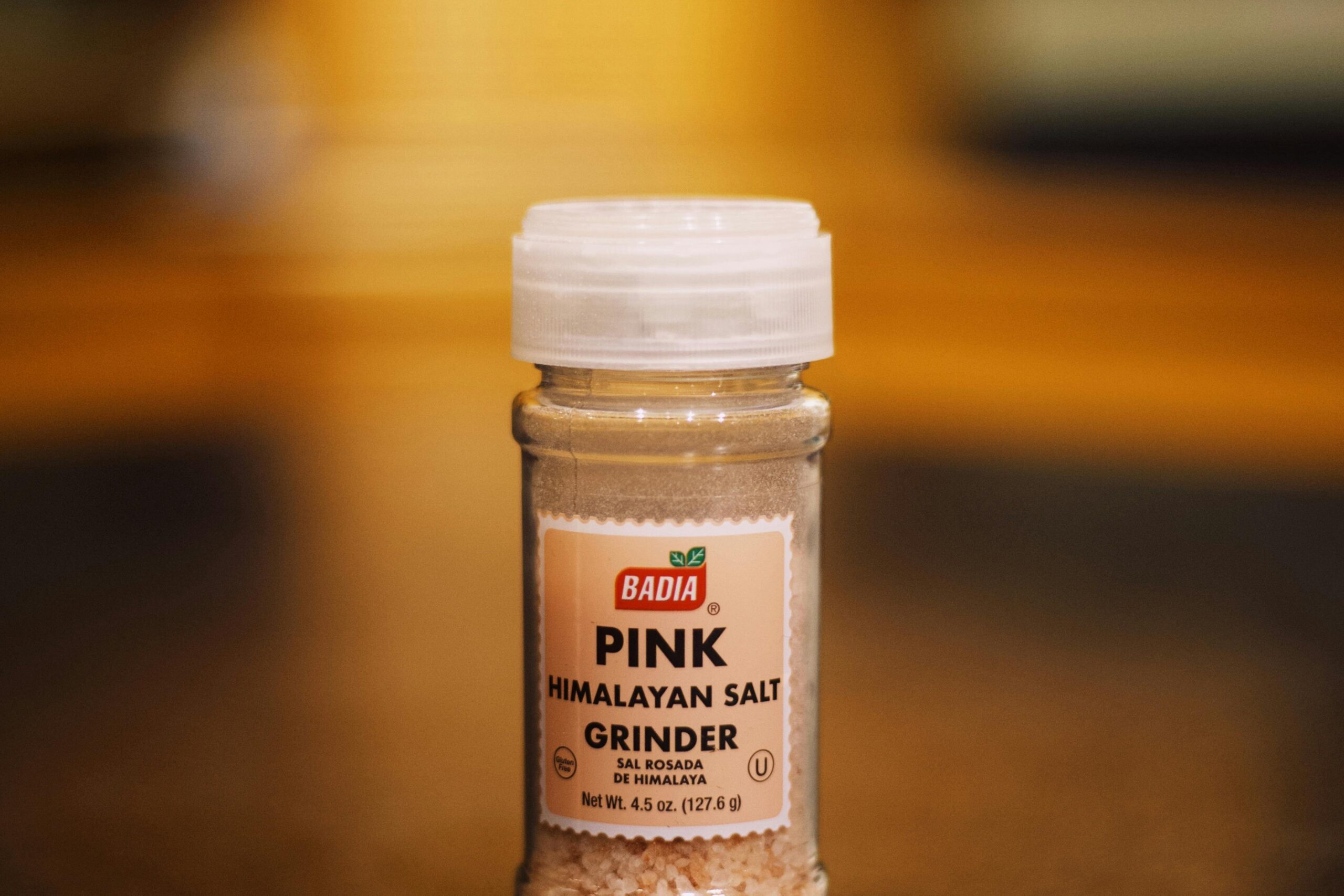
Maintaining a clean and efficient plumbing system is a crucial part of home upkeep. While there are countless commercial products on the market designed to unclog and clean your pipes, many homeowners are turning to natural and eco-friendly alternatives. One such method involves using common table salt to clean and maintain your plumbing system.
Salt is a natural compound that has been used for centuries for its cleaning and disinfecting properties. When used in plumbing, salt can help break down grease, reduce buildup, and even neutralize odors inside your pipes. Unlike harsh chemical cleaners, salt is biodegradable and non-toxic, making it safer for your family and the environment.
Here’s how salt works in your plumbing system and some easy ways you can use it for maintenance:
How Salt Helps Clean Your Pipes
Salt works primarily as a mild abrasive. When combined with hot water, it can scrub away mineral deposits and organic buildup inside your pipes. This helps to prevent clog formation and maintains smooth water flow.
Additionally, salt’s natural antimicrobial properties can help limit bacteria growth within drains, reducing unpleasant smells caused by decay or stagnant water. It also helps dissolve grease which is often a major cause of drainage issues.
Using Salt for Plumbing Maintenance
To clean your drains naturally using salt, follow this simple method:
- Pour 1 cup of table salt directly into the drain.
- Follow it with 1 cup of hot water.
- Let it sit for about 15-20 minutes to allow the salt to break down buildup.
- Flush the drain with another pot of boiling water to clear out any loosened debris.
For tougher clogs, you can combine salt with baking soda and vinegar for a powerful natural cleaner. First pour salt and baking soda, then slowly add vinegar. This reaction helps break down blockages while the salt scrubs the interior pipe surfaces.
Other Benefits of Using Salt in Plumbing
Apart from cleaning, salt is inexpensive and readily available in most households. Unlike chemical drain cleaners that contain harmful substances, salt is safe for septic systems and helps prolong the life of your plumbing.
Incorporating salt into your regular plumbing maintenance routine can reduce the need for professional plumbing services, saving you money and inconvenience in the long run.
In summary, salt is a natural, eco-friendly, and effective agent for cleaning and maintaining your home plumbing system. By using salt regularly, you can keep your drains clear, minimize odors, and ensure your plumbing runs smoothly without relying on harsh chemicals.





I’ve been using salt with baking soda in my drains for a couple of months now, and I’ve noticed much fewer clogs. It’s great knowing it’s safe and natural!
Interesting post! I never thought salt could be used for plumbing. I’ll definitely try this method next time my sink gets slow.
I was worried about chemical cleaners damaging my pipes, so this natural solution is perfect. Thanks for sharing!
Good tips here. I combine salt with vinegar regularly and keep my drains smelling fresh. Highly recommend it.
Can salt help with toilets as well or is it mainly for sinks and drains? Curious if it’s versatile like that.